Redesign of ID Card
Redesign of ID Card
Graphic Design
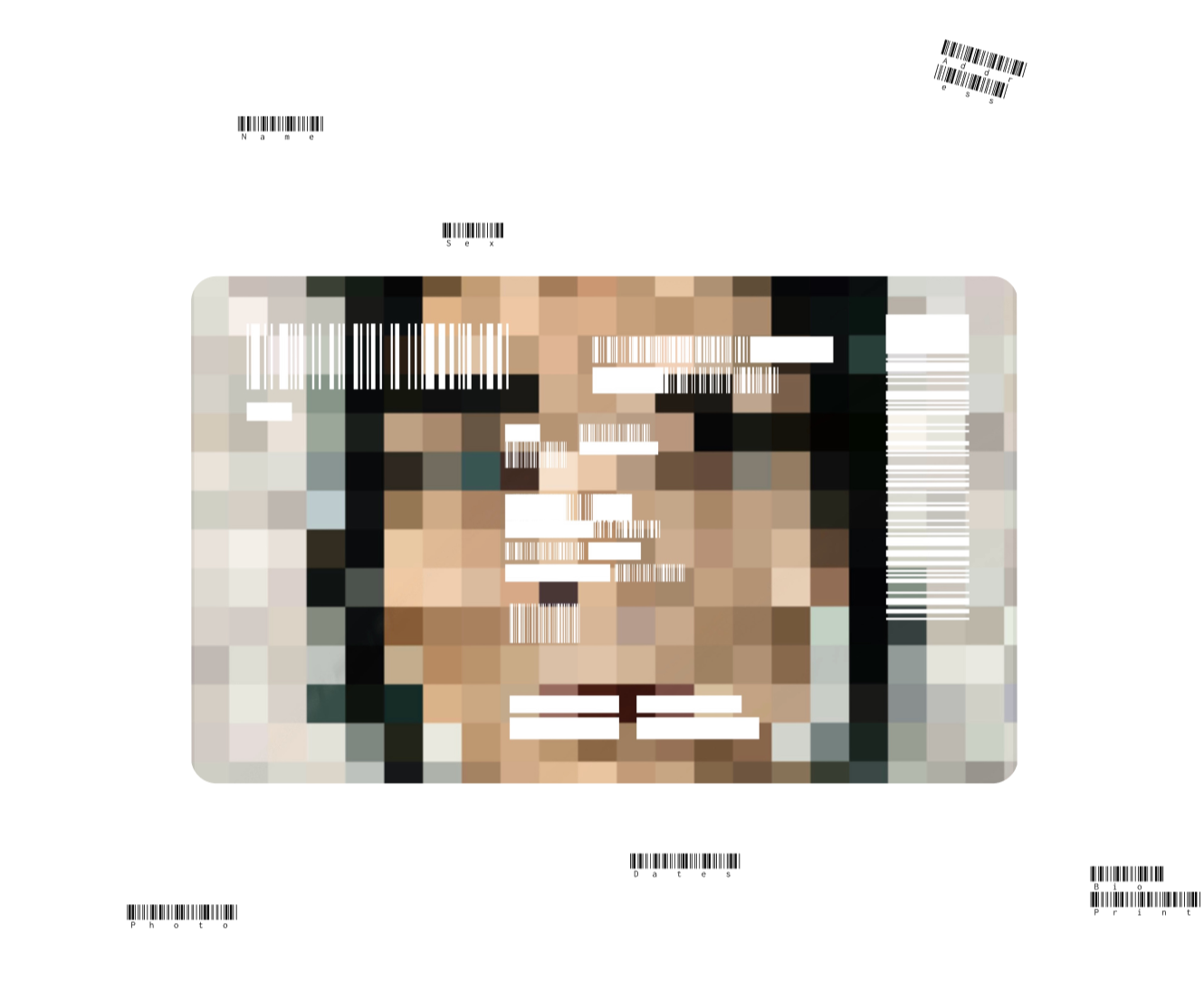
This project is a redesigned ID card prototype that explores the tension between the system-defined self and the subjective self. Drawing on concepts of disembodiment (Hayles, 1999) and systemic reduction (Wolfe, 2010), the design translates these ideas into a physical, two-sided identity card.
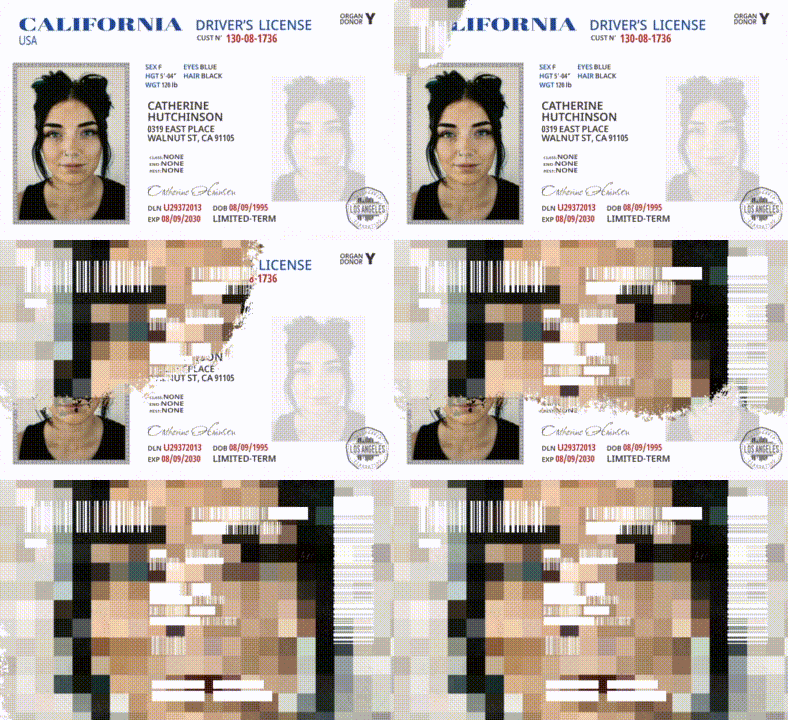
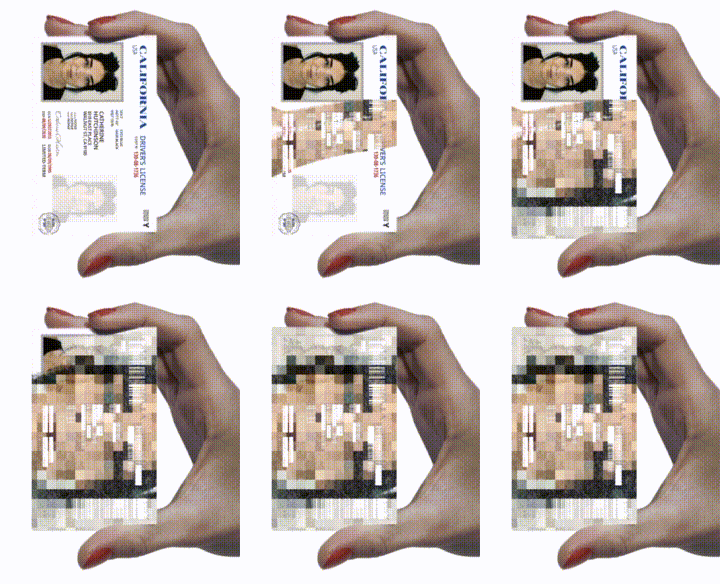
The front side reflects how identity is constructed and simplified through data systems, while the act of erasure becomes a visual and conceptual gesture of resistance against the reduction of the self into manageable data points. By exposing what is usually hidden behind data fields, the design highlights the complexity that is lost in processes of categorization and tracking.
This two-sided structure also challenges the conventional understanding of an ID card as an authoritative and fixed representation of identity. Instead, it reframes identity as something fragmented, constructed, and shaped by systems of data colonization.
Looking forward, the prototype opens up further discussion around future digital identity systems, such as biometric recognition, and questions how design might resist or reframe data-driven representations. It asks how we can design more nuanced forms of identity that acknowledge human complexity, and where the body exists within increasingly informational systems.
重新设计的身份证
平面设计
本项目是一个重新设计的身份证原型,旨在探索系统定义的自我与主观自我之间的张力。该设计借鉴了“去具身化”(Hayles,1999)和“系统简化”(Wolfe,2010)的概念,并将这些理念转化为一张实体的双面身份证。
正面反映了身份如何通过数据系统被构建和简化,而擦除行为则成为一种视觉和概念上的抵抗姿态,旨在对抗将自我简化为可管理的数据点。通过揭示通常隐藏在数据字段背后的信息,该设计突显了在分类和追踪过程中丢失的复杂性。
这种双面结构也挑战了人们对身份证作为权威且固定的身份表征的传统理解。相反,它将身份重新定义为一种碎片化、构建化,并由数据殖民系统塑造的产物。
展望未来,该原型引发了关于未来数字身份系统(例如生物识别)的进一步讨论,并探讨了设计如何抵制或重构数据驱动的身份表征。它探讨了我们如何设计更细致入微的身份形式来承认人类的复杂性,以及身体在日益信息化的系统中处于什么位置。
